


Europe has long been one of the top travel destinations for millions of travelers worldwide. France has consistently ranked as the most visited country in the world, welcoming above 90 million international travelers each year.
France, Spain and dozens of other European nations are members of the Schengen region.
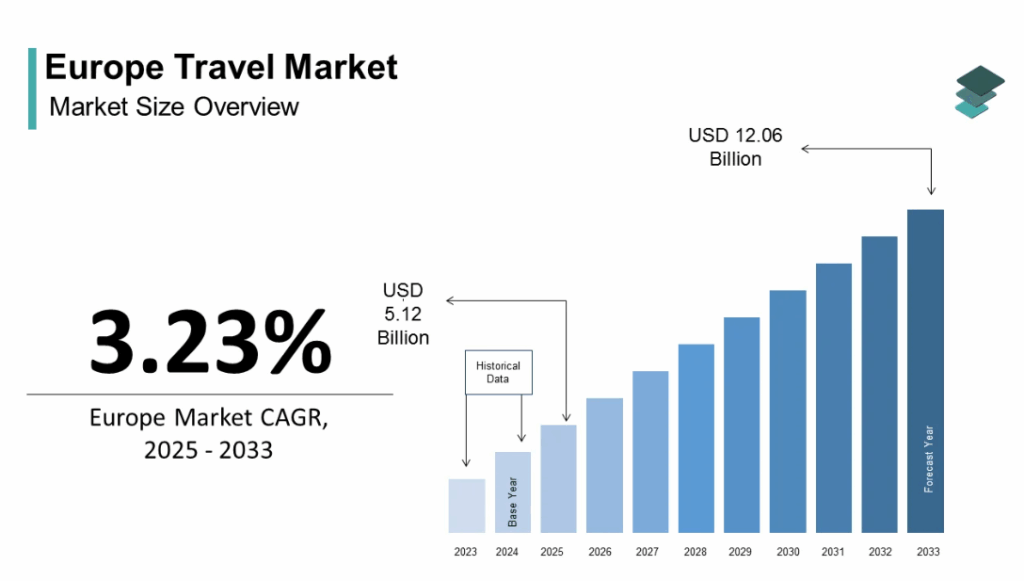
According to a study, the travel market size in Europe was valued at USD 4.6 billion in 2024. Experts predict that this number will rise to USD 12.06 billion by 2033.
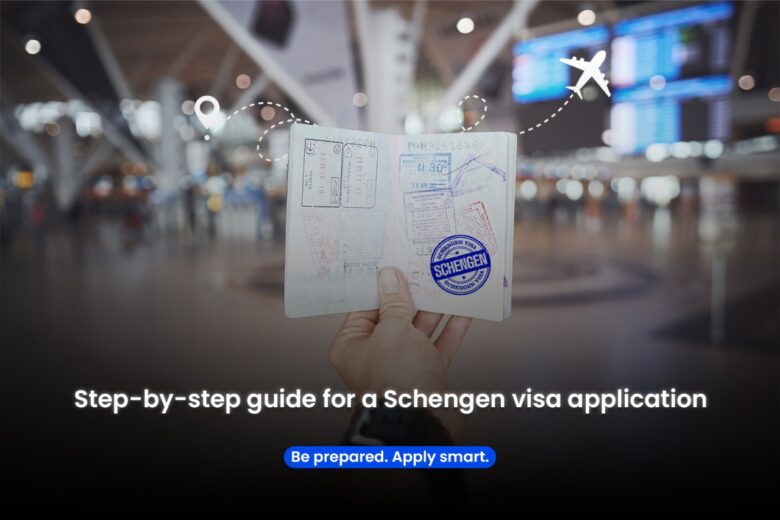
If you are planning an upcoming trip to Europe, chances are you will have to apply for a Schengen visa first. Fortunately, a Schengen Visa Itinerary can help you with that.
In this comprehensive guide, we will guide you through these common questions:
- What is a Schengen visa (and do I need one)?
- What type of Schengen visa should I apply for?
- What documents do I need to apply for a Schengen visa?
- How to apply for a Schengen Visa to (and from) a specific country?
So, just in case, why exactly you need that visa is mainly due to what’s known as the Schengen Agreement. Originally signed by the European nations back in 1985 in Luxembourg, this agreement was designed to make travel easier for millions of Europeans.
Travelers of Schengen countries and the European Union (EU) now have the freedom to travel to all the Schengen countries.
However, if you are not a citizen of a Schengen area or the EU, you will likely need to apply for a Schengen visa. But fret not – if you are not sure of the situation, our travel and visa application consultants can tell you everything you need to know.
What Type Of Schengen Visa Should I Apply For?
You need to be sure you are applying for the right type of Schengen Visa for your particular trip. You have four to choose from:
- Business visa
- Short-term stay visa
- Student visa
- Work visa
The most common visa is the short-term stay visa (type C or the tourist visa). This visa allows you to travel to all the Schengen countries for up to 90 days in any 180-day period. This is your best bet.
But if you are planning for multiple trips, you will need a multiple-entry visa.
If you have connecting flights at a Schengen airport, you will need to apply for the Type A visa. Keep in mind that this Type A visa only applies to certain nationalities. Furthermore, if you are planning to stay in a particular Schengen country for more than 90 days, you will have to opt for a national visa, a Type D visa for that particular country.
| Pro-Tip: Worry not, our travel operations specialists at Schengen Visa Itinerary can gladly tell you all about the different types of Schengen visas and which one will suit your European travel requirements. |
No matter which Schengen visa you select, you will need to stick to some specific Schengen Visa requirements.
Here’s the kicker…
Here are the requirements
- Your Passport should be valid for at least 3 months after your intended departure from the Schengen area
- Two identical passport-style photos
- A Schengen visa application form
- Your valid Itinerary
- Schengen travel medical insurance
- An invitation letter to the Schengen area (if applicable)
- Proof of means of subsistence (if applicable)
- A no-objection letter (if applicable)
- Accommodation proof (if applicable)

| Pro-Tip: The actual amount and type of paperwork you require will depend on the particular situation. So make sure to check all your necessary documents with all the proper channels, including the European Commission and the websites and the embassies for both your home and the destination Schengen countries, before you apply. You should submit your Schengen visa application no earlier than 6 months and no later than 2 weeks before your trip. |
So this was all about the necessary documents regarding your visa application for a Schengen country.
Now let’s take a step further and check out the process…
Step-by-step Guide To Applying For A Schengen Visa
Here is the simple guide to applying for your Schengen Visa.
Step 1
Select your Schengen destination(s) and know where to apply.
Whether it is France, Italy or Luxembourg, you will need to apply through the embassy of the country you want to visit.
If you plan to visit multiple countries, you need to apply for the country you will stay the longest.
Step 2
Complete and sign the Schengen visa application form. Now depending on the country of selection, you can either download the form from your embassy’s website and submit it online.
Ensure that all the details are accurate and match your itinerary and passport.
Step 3
Gather your required documents.
Get the rest of the paperwork and make sure every document is up-to-date.
| Pro-Tip: Do not staple any documents! |
Step 4
Book an appointment
In this phase, you will have to book an appointment for an in-person interview and biometric collection.
You can do this through the embassy or the visa application center of your destination region.
Clear your schedule in advance and don’t forget to save the date.
Step 5
Attend the interview with confidence, submit your application and pay a small application service fee.
Finally, the visa officer asks, gather your required documents and attend your in-person interview.
The in-person interview is a formal setting where you will be asked a few questions, such as your intention of travel, exact date of return, and a few other questions regarding your trip.
Have your fingerprints (biometric) and picture taken.
Note: At this point in time, you will have to pay the Schengen Visa fee.
Our team at Schengen Visa Itinerary can tell you more about the visa costs and how you can save on the upfront expenses.
| Pro-Tip: The officers and authorities at the embassy are super strict with their filtering protocols. Never ever apply for a 90-day visa when you are visiting a Schengen country only for a business meeting. |
Your Dream, Our Bliss
The best way Schengen Visa Itinerary, can help you get that visa is by providing you with travel insurance for Schengen visa, a verified Schengen visa itinerary and embassy-compliant hotel reservations.
On top of that, if your Schengen Visa is denied, we will refund you in most cases. We’ll only ask that you provide the appropriate documentation, which becomes an official explanation as to why your visa was rejected.
Our team of travel operations specialists has helped over 3500 customers with successful visa approvals and travel documentation from scratch. Apart from that, we also offer consulting services regarding the strategies to get embassy-compliant documentation.
So explore our services and connect with our team of travel operations specialists to make your European dream vacation come true.